
No Filler! — Collagen Volumizing InjectionUnder-eye hollowness improvement - Under-eye Collagen Volume Thread COVA

Under-eye hollowness improvement - Under-eye Collagen Volume Thread COVA
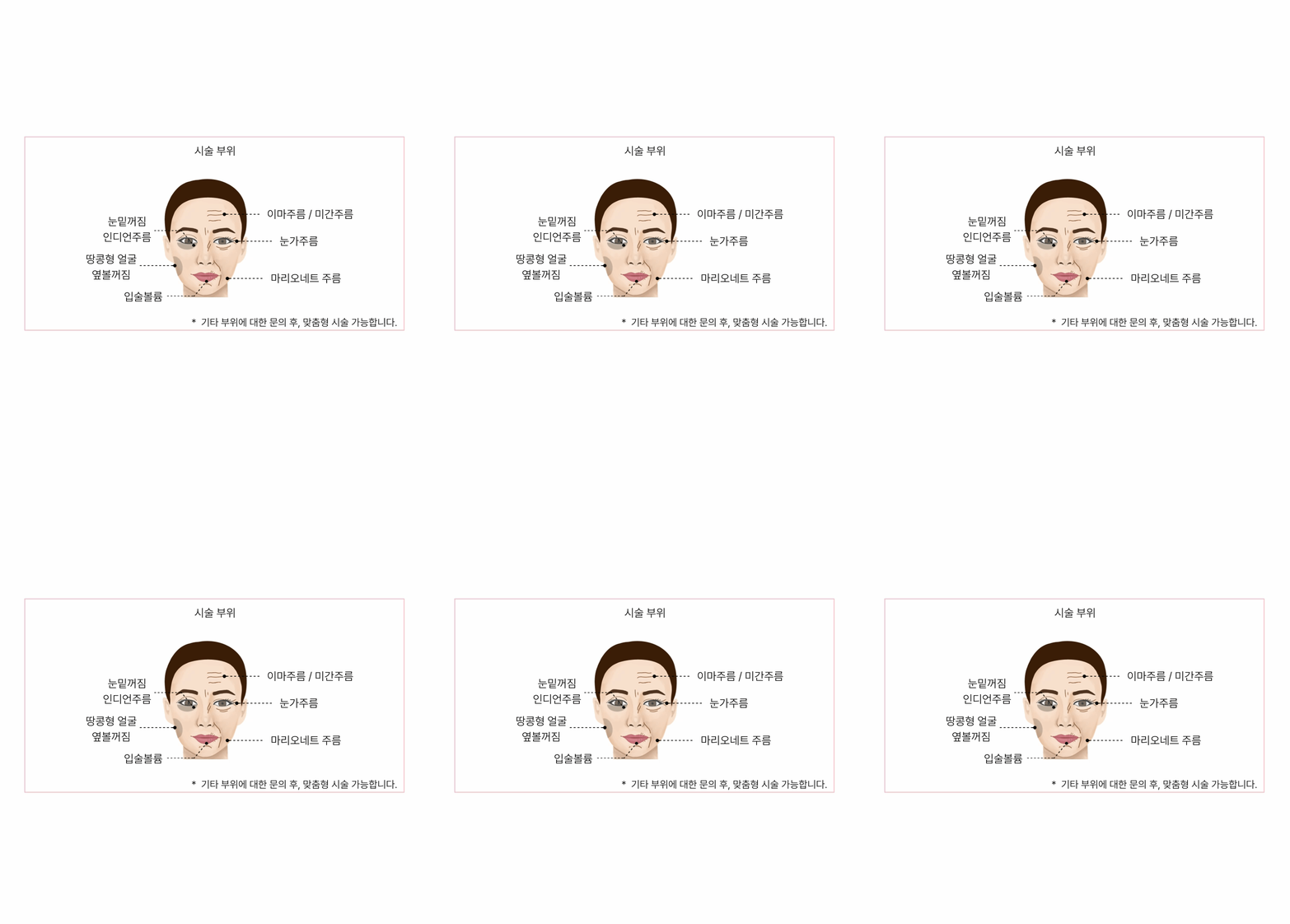
Collagen Volume Thread COVA is a procedure that utilizes PDO components to promote collagen production within the skin, allowing for natural volume. Unlike fillers, this volume thread does not easily migrate from the insertion site, making it likely to last for a certain period after the procedure. The collagen produced by your body helps support the skin, contributing to a relatively long-lasting stable state. It can be recommended for those concerned with dark circles, under-eye hollowness, or under-eye fat deformation. *VAT separate
Options
Treatment Details



Introducing COVA, Collagen Volume Treatment
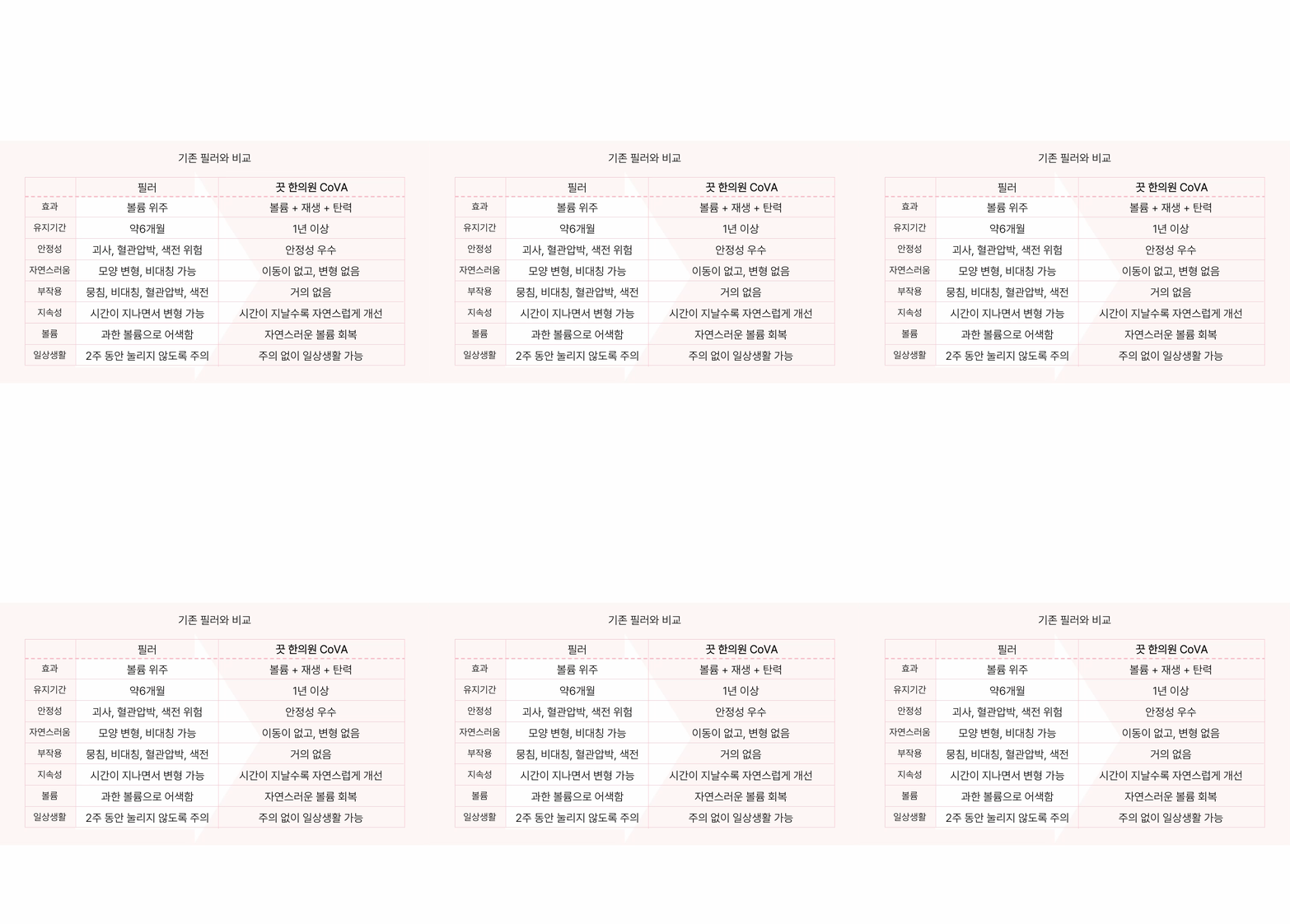
Filler procedures involve injecting
a gel-like substance under the skin to create volume.
In contrast, COVA utilizes the skin's regenerative capacity to stimulate collagen production, which can lead to natural-looking volume.
Over time after the procedure, you can experience a gradual improvement in volume through the skin's natural regenerative power.
After injection, fillers can rarely clump or migrate from their original position.
COVA, on the other hand, is naturally distributed within the skin tissue, which can reduce concerns about such phenomena.
COVA primarily uses medical-grade PDO (polydioxanone), a component that gradually breaks down within the human body.
Filler procedures, especially when applied to areas like the eyes or mouth where
the skin is thin,
may risk showing signs of the procedure or creating excessive volume.
In contrast, COVA can be utilized in areas with thin skin, as it is expected to yield relatively natural results.
Serious side effects such as vascular occlusion or embolism, which can rarely occur with filler procedures, are rarely reported with COVA treatments.
It can be an alternative that prioritizes safety.
It differs from Juvelook Volume treatments and other collagen-stimulating injections.
COVA also provides physical support, allowing for some degree of volume improvement immediately after the procedure.
Procedure Flow
첫 상담부터 마무리까지의 실제 진행 순서를 확인하세요.
- 01
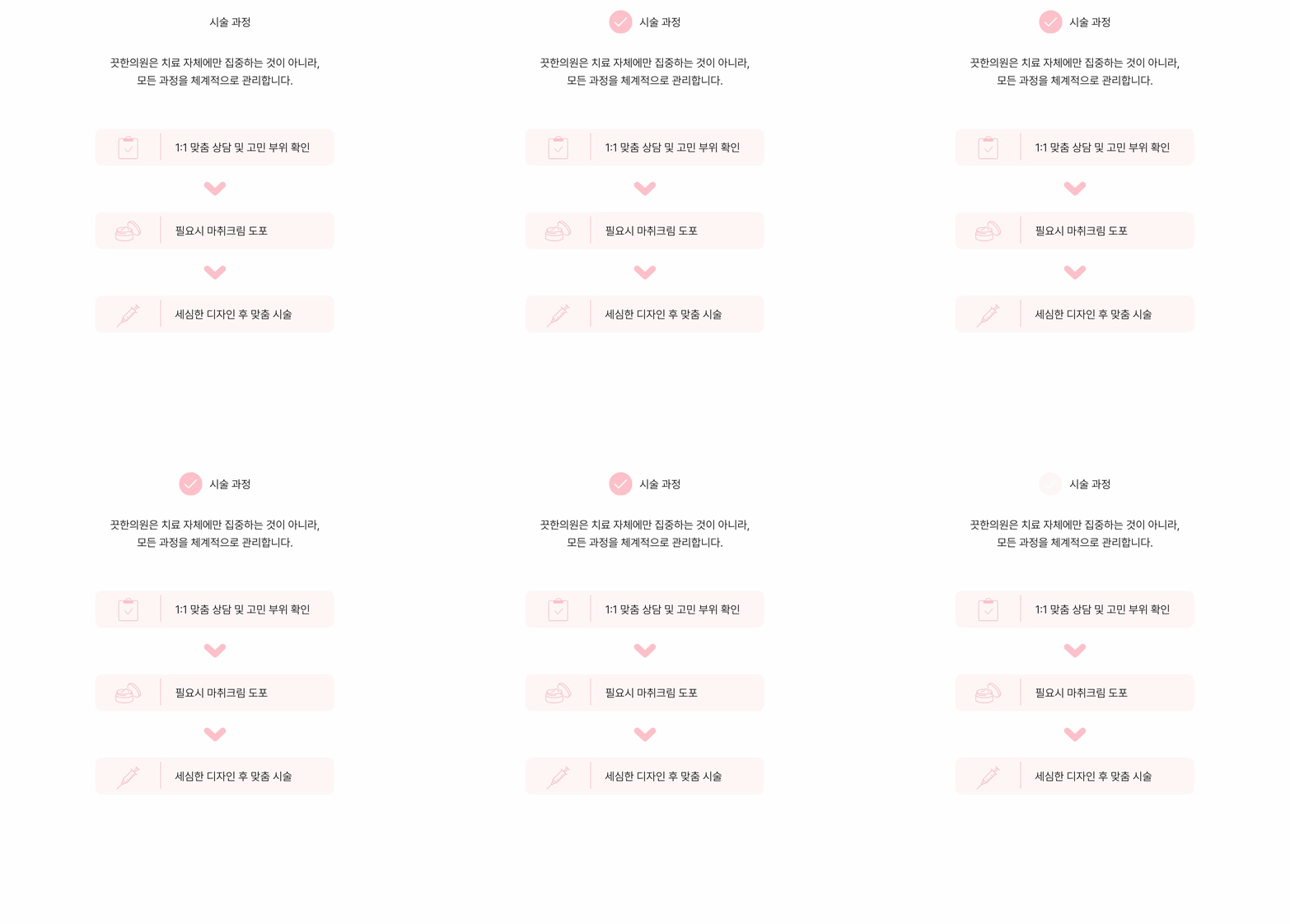
First, we conduct a 1:1 customized consultation.
- 02
Second, anesthetic cream is applied to the treatment area.
- 03
Third, the medical staff designs the treatment area.
- 04
Fourth, the planned procedure is carried out.
- 05
Fifth, finishing cream is applied to the treatment area.
시술 기본정보
시술 시간, 마취, 회복, 유지기간을 한 번에 확인하세요.
TIME
10-20 minutes per area
ANESTHESIA
Anesthetic cream (15-30 minutes)
RECOVERY
Immediate return to daily life
DURATION
Over 1 year
Ideal For
One Fine Difference makes real results.
- KKEUT POINT 01
Those concerned about prominent fine lines around the eyes
- KKEUT POINT 02
Those who desire a natural yet soft volume
Q&A
고객님들이 가장 많이 물어보시는 내용을 모았습니다.
How is the number of sessions determined?

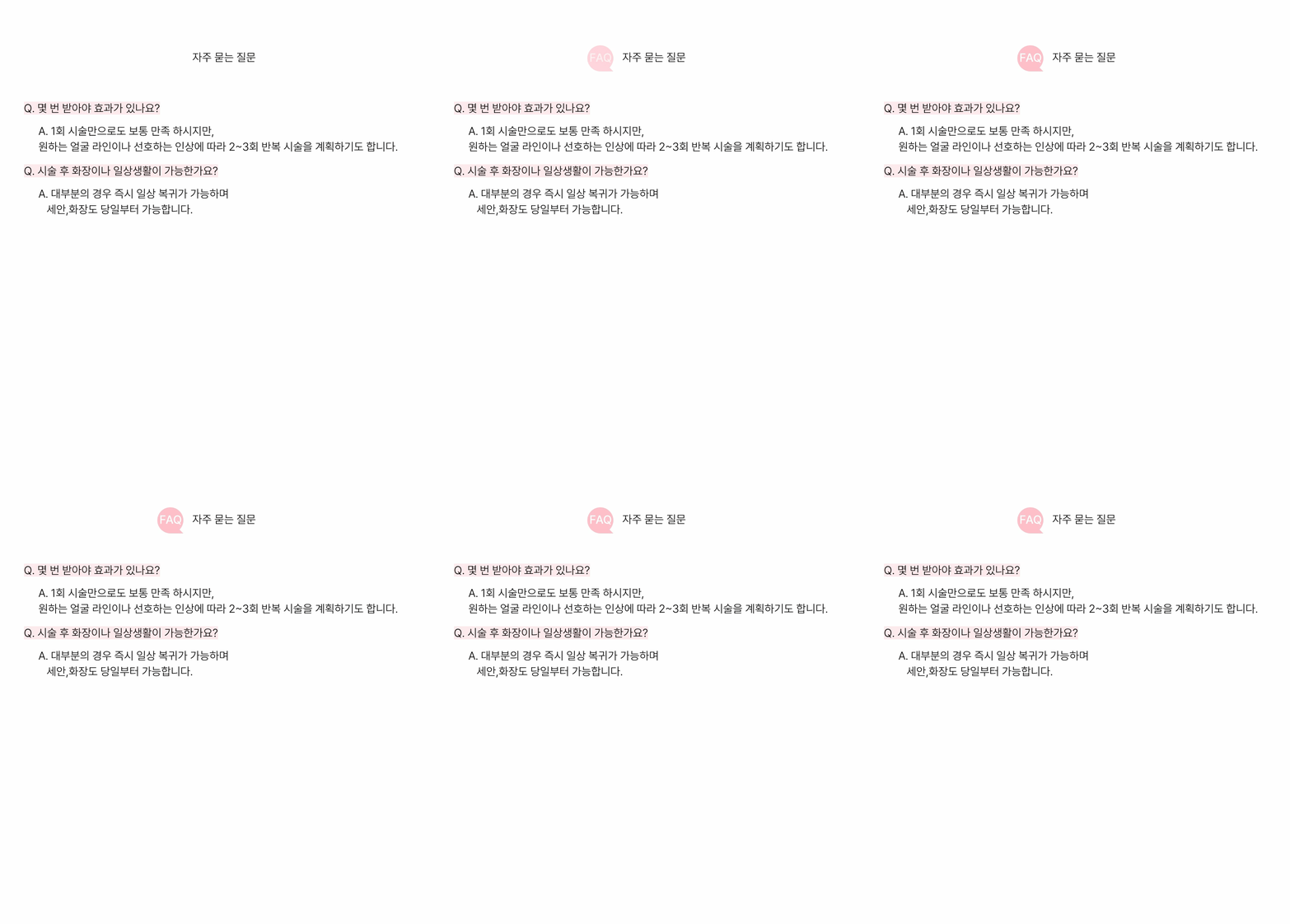
In most cases, one session is sufficient for satisfactory results. However, depending on individual preferences for facial contours or improvement goals, an additional 2-3 sessions may be considered.
Is it possible to return to daily life immediately after the procedure?
Generally, there are no difficulties in returning to daily activities immediately after the procedure. Washing your face and applying makeup can be carefully started from the same day.
How long do the effects of the procedure last?
The duration of the effect may vary depending on individual lifestyle habits and skin condition. Typically, the improved state tends to be maintained for more than one year after Collagen Volume Thread treatment.
Cautions
Results = Treatment × Aftercare. Please follow the notes below.
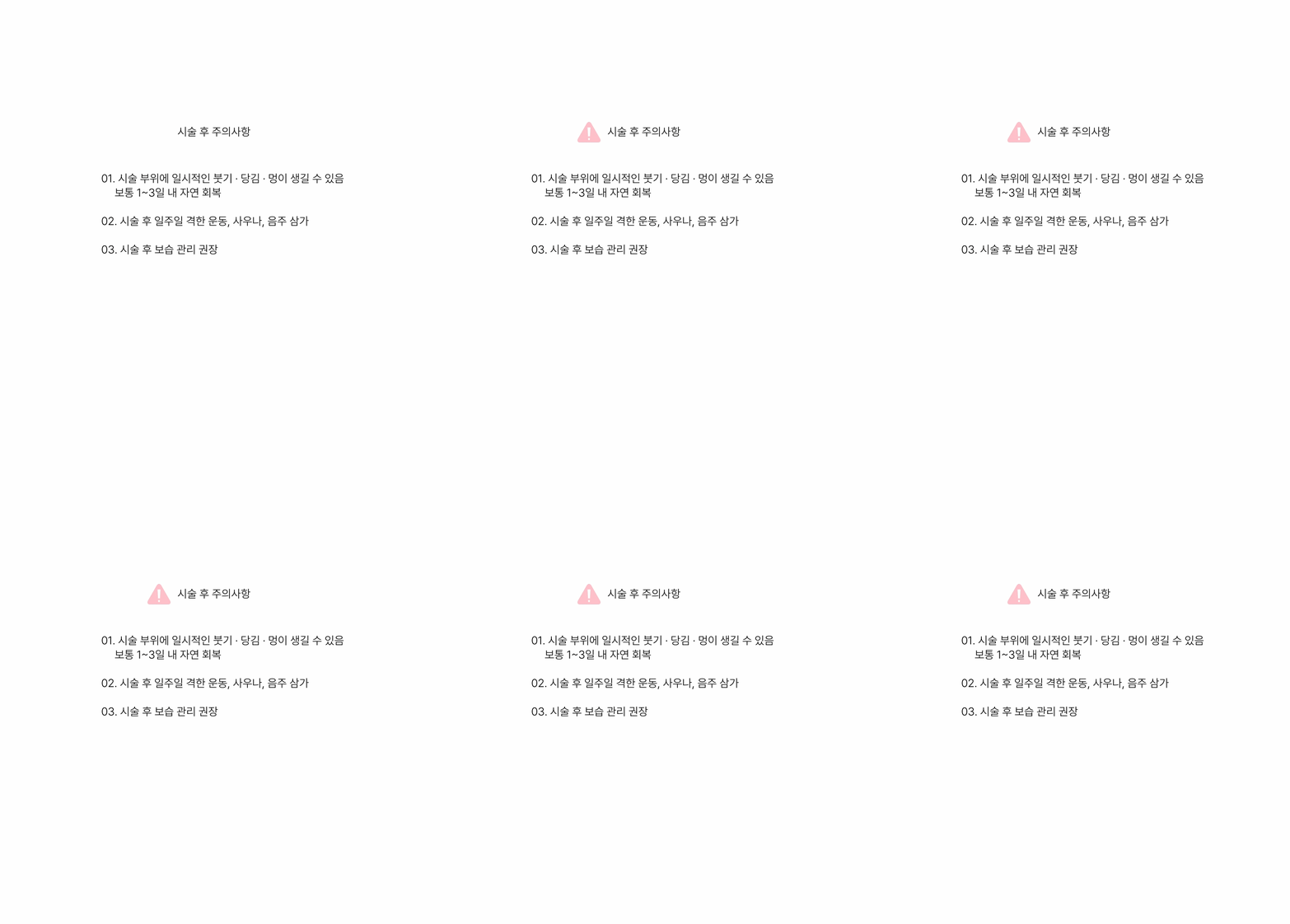
Temporary swelling, tightness, or bruising may appear in the treated area. These symptoms usually subside naturally within 1-3 days.
For about one week after the procedure, it is advisable to refrain from alcohol, smoking, saunas, and strenuous exercise.
We recommend not using scrub products that can irritate the skin for about 7 days after the procedure.
It is not advisable to apply excessive pressure or strong irritation to the treated area.